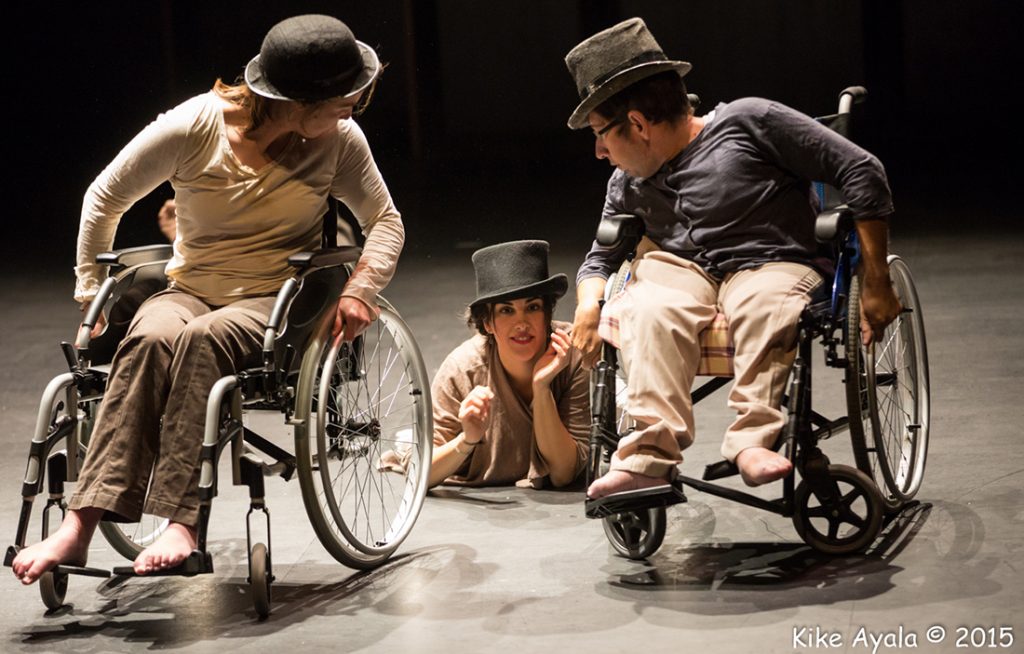
Dance is a universal language that transcends words and connects people through movement. In recent years, the concept of inclusive dance has gained significant relevance, breaking down social, physical, and cultural barriers to create spaces where everyone can express themselves freely. This approach not only democratizes access to the art of dance but also celebrates diversity and promotes a more inclusive society.
In this article, we will explore what inclusive dance is, how it is changing the dance landscape, and why it is a powerful tool for fostering diversity and social integration.
1. What Is Inclusive Dance?
Inclusive dance is an approach to dance that integrates people with and without disabilities, promoting equal opportunities in the creation and performance of dance. This concept is based on the idea that all individuals, regardless of their physical, cognitive, or sensory abilities, have the right to express themselves artistically and participate in cultural activities.
Inclusive dance is not limited to a specific style or technique. It can take diverse forms such as ballet, contemporary dance, urban dances, or even improvisation, adapting to the unique abilities and characteristics of each participant.
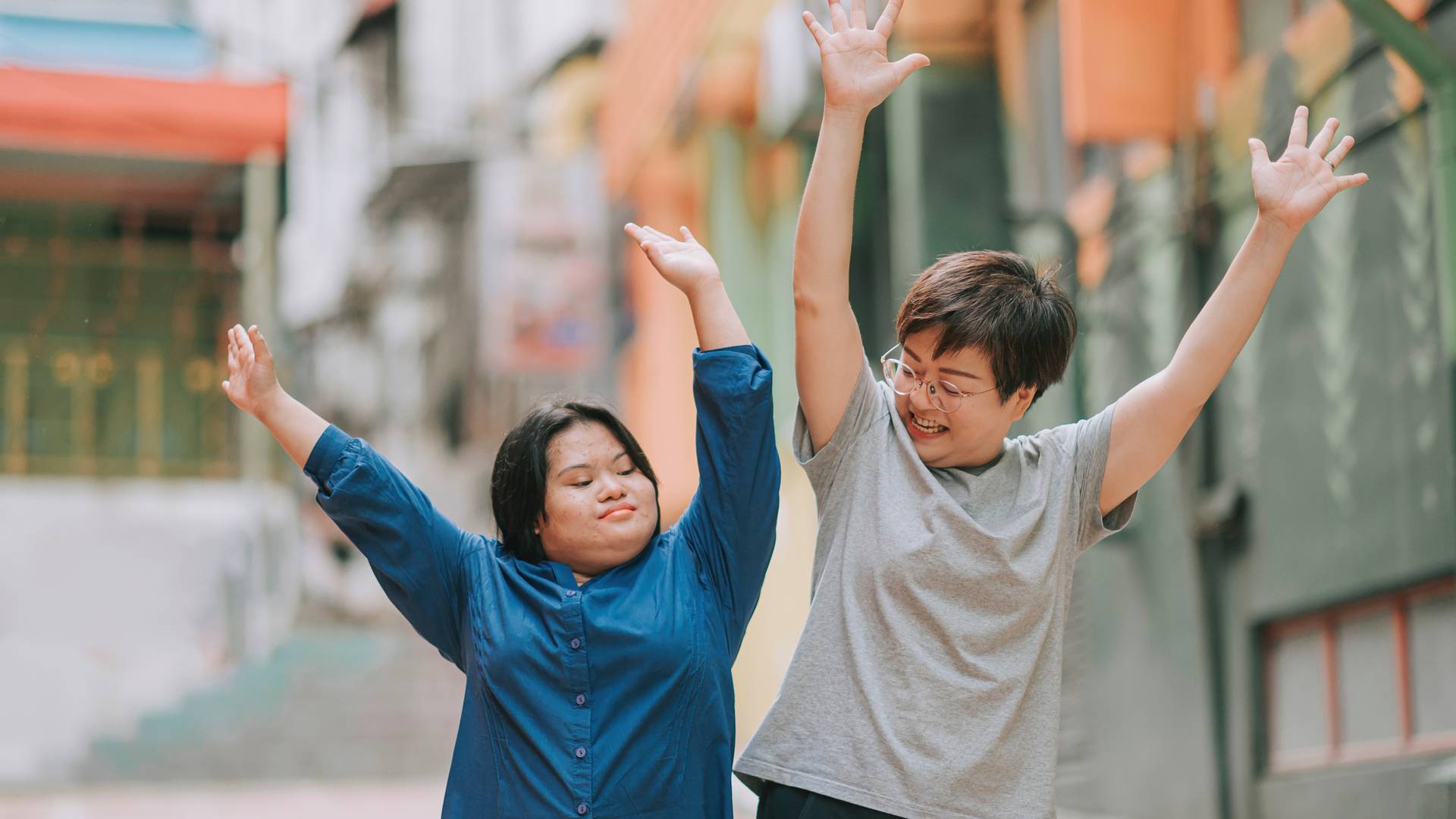
2. The Principles of Inclusive Dance
2.1 Adaptation and Creativity
One of the pillars of inclusive dance is the ability to adapt to the individual needs of each dancer. This involves adjusting choreographies, techniques, and group dynamics to ensure that everyone can participate actively and meaningfully.
2.2 Equality and Respect
Inclusive dance is based on mutual respect and the appreciation of differences. Each person brings their perspective and unique way of moving, enriching the creative process and strengthening the sense of community.
2.3 Expression and Connection
Beyond technique, inclusive dance prioritizes self-expression and emotional connection. It’s about creating a space where each participant can share their story and feel part of a group.
3. Benefits of Inclusive Dance
Inclusive dance not only benefits those who participate but also the communities and societies in which it develops. Some of its main benefits include:
3.1 Personal and Artistic Development
For people with disabilities, inclusive dance offers a platform to develop physical skills, improve coordination, and strengthen self-esteem. It also fosters creativity and a sense of accomplishment.
3.2 Promotion of Empathy and Diversity
Inclusive dance creates opportunities for people from different backgrounds to interact and learn from each other. This promotes empathy and helps break down stereotypes and prejudices.
3.3 Social and Cultural Impact
By integrating people of different abilities into the art of dance, inclusive dance contributes to building more inclusive societies that are aware of diversity. It also challenges traditional notions of beauty and perfection in dance, highlighting the value of authenticity and uniqueness.
4. Inspiring Examples of Inclusive Dance
4.1 Inclusive Dance Companies
- Candoco Dance Company: Based in the UK, this professional company brings together dancers with and without disabilities to create innovative pieces that explore diversity in movement.
- AXIS Dance Company: Founded in the United States, AXIS is a pioneer in inclusive contemporary dance and has been internationally recognized for its artistic and educational work.
4.2 Festivals and Community Projects

Festivals like the Festival Bucles Danza in Spain and programs such as DanceAbility International worldwide have been key to raising the profile of inclusive dance and fostering community participation.
5. How to Practice Inclusive Dance
If you are interested in participating in or supporting inclusive dance, here are some ideas to get started:
5.1 Find Inclusive Spaces
Look for schools, academies, or dance groups that offer inclusive programs. Many organizations are committed to creating accessible spaces for everyone.
5.2 Adapt Choreographies
If you are a dance instructor, consider how you can adapt your choreographies to include people with different abilities. This may involve simplifying steps, working with wheelchairs, or exploring new forms of movement.
5.3 Participate in Community Projects
Join initiatives that promote inclusive dance in your community. These projects are often designed to bring together people from different backgrounds and abilities.
6. The Future of Inclusive Dance
Inclusive dance is gaining ground as a transformative and necessary art form. As the recognition of the importance of inclusion and diversity grows, we are likely to see more companies, programs, and festivals dedicated to this discipline.
Furthermore, the rise of social media and digital platforms offers new opportunities to showcase the work of inclusive dancers, inspire others, and promote positive change in society.
Inclusive dance not only breaks down physical and social barriers but also demonstrates the power of dance as a tool for equality, diversity, and human connection. In a world where differences often separate us, inclusive dance reminds us that we all have something valuable to contribute.
At Así Se Baila, we believe in the transformative power of dance and are committed to creating a space where everyone is welcome. If you are interested in being part of this inclusive community, book your trial class today and join the movement that is breaking barriers and celebrating diversity. We look forward to seeing you!