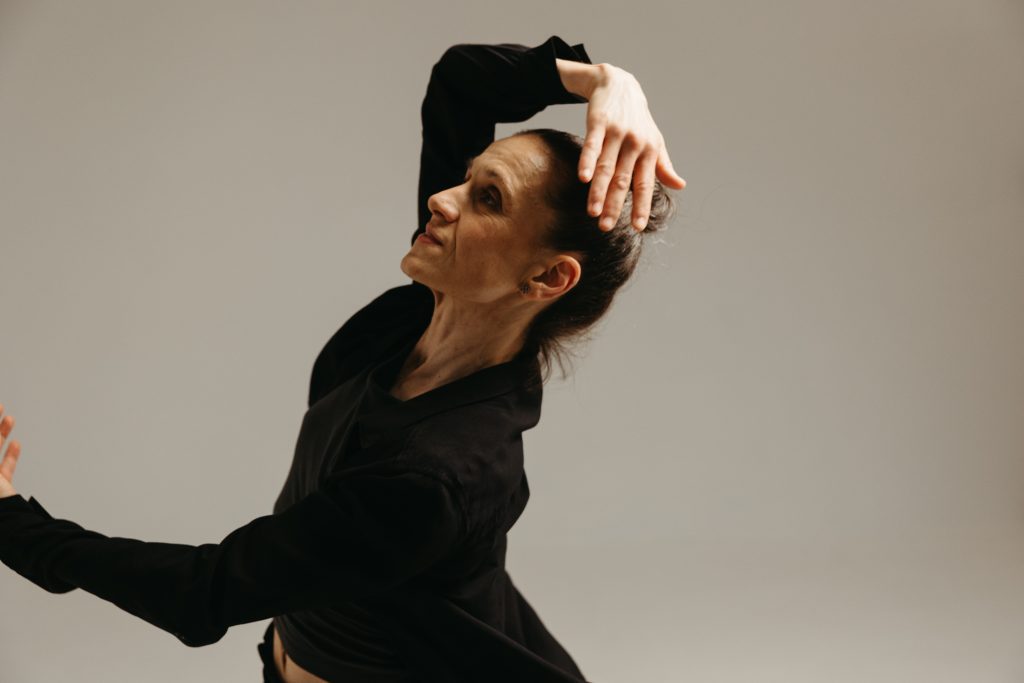
The tutu, that iconic garment that evokes grace and elegance, is a fundamental piece in the world of ballet. More than just a costume, the tutu carries with it a rich history and symbolism that has endured through the centuries. In this article, we’ll explore why tutus are used in ballet and the importance they hold in this revered art form.
Elegance and Aesthetics
The tutu is synonymous with grace and elegance in ballet. Its light and voluminous design creates a slender and ethereal silhouette on stage, allowing the dancers’ movements to flow with incomparable beauty. The delicacy of the fabric and the structure of the skirt add a touch of romanticism to performances, transporting the viewer to a world of fantasy and charm.
Mobility and Freedom of Movement
Although it may seem bulky, the tutu is designed to allow for wide freedom of movement. Its light and soft structure lets dancers move with grace and ease, without compromising the technique or precision of their movements. This is essential in ballet, where artistic expression relies on the fluidity and precision of every motion.
Tradition and Legacy
The use of the tutu in ballet has deep roots in the tradition and legacy of this art. Since its first appearances in the 19th century, the tutu has been an integral part of classic ballet productions, such as “Swan Lake” and “Sleeping Beauty.” Over the years, it has evolved into different styles and lengths to adapt to the needs of each performance, but its presence on stage remains a symbol of the tradition and excellence of classical ballet.
Artistic Expression and Character
The tutu is not just a garment, but also a tool for artistic expression and character in ballet. Its design and style can vary depending on the role a dancer plays, from the romantic and flowing tutus used in ballets like “Giselle,” to the more structured and elaborate tutus that represent characters in ballets like “The Nutcracker.” In this way, the tutu becomes an integral part of the narrative and the interpretation of the work.
An Essential Element of Ballet
In short, the tutu is much more than just a piece of clothing in ballet; it is a symbol of elegance, tradition, and artistic expression. From its introduction in the 19th century to its presence on stages today, the tutu has captured the audience’s imagination and has been an essential element in the magic of ballet. Its timeless beauty and meaning will endure for generations, continuing its legacy as one of the most iconic pieces in the world of ballet.