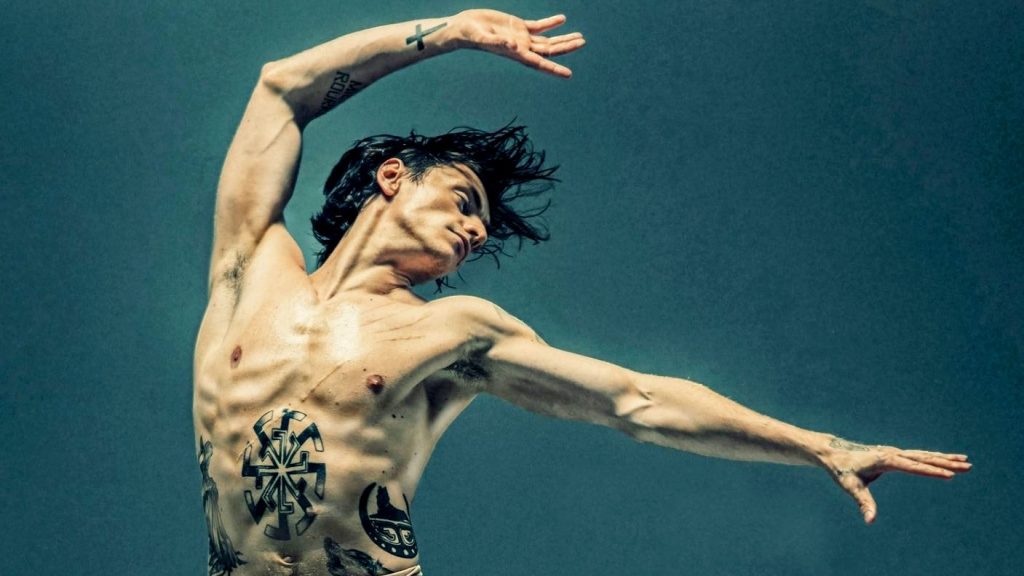
Sergei Polunin, known as the “enfant terrible” of ballet, has garnered both admiration and controversy throughout his career. Born in Ukraine in 1989, Polunin shot to fame for his prodigious talent and impeccable technique, as well as for personal and professional decisions that have often been as dramatic as his stage performances. This post will explore Polunin’s journey, his impact on the ballet world, and his continuously evolving legacy.
Meteoric Rise
Sergei began dancing at the tender age of four and was quickly recognized for his exceptional talent. At 13, he moved to the United Kingdom to study at the prestigious Royal Ballet School in London. His dedication and natural ability led him to quickly rise through the ranks, and at 19, Polunin became the youngest principal dancer in the history of the Royal Ballet.
Talents and Notable Performances

Polunin is famous for his impressive ability to combine strength and agility with an emotional depth rarely seen in male ballet. His performances in “Giselle” and “Swan Lake” have been globally acclaimed, noted for their emotional depth and impeccable technique. Furthermore, his performance in Hozier’s “Take Me to Church” video, choreographed by Jade Hale-Christofi and directed by David LaChapelle, went viral, showcasing his incredible skill and passion to a broader global audience.
Controversies and Challenges
Despite his success, Polunin has been a polarizing figure both within and outside the ballet world. His abrupt decisions to leave renowned companies and his often provocative public statements have generated both criticism and debate about his character and his commitment to the art of ballet. Additionally, he has been open about his struggles with the pressure of fame and the expectations that come with being a ballet star at such a young age.
Influence and Legacy
Beyond the controversies, Polunin’s impact on contemporary ballet is undeniable. He has inspired a new generation of dancers to break molds and take the art of ballet into new territories, both in terms of style and personal expression. His unique approach to ballet and his ability to attract a broader, more diverse audience have helped revive interest in ballet in an era dominated by digital media and new forms of entertainment.
Sergei Polunin continues to be a fascinating figure in the ballet world. Through his sublime performances and his personal life full of ups and downs, Polunin has shown that ballet is much more than technique and training; it is also a medium for intense personal and emotional expression. As he continues to evolve both personally and professionally, it will be interesting to see how this talented and enigmatic artist will continue to influence the art of ballet and how his legacy will be shaped in the years to come.
Sergei Polunin’s case highlights that the art of ballet, like any art form, is deeply intertwined with the humanity of those who practice it, and his story is a reminder that even the most talented are not exempt from the challenges of living under public scrutiny.