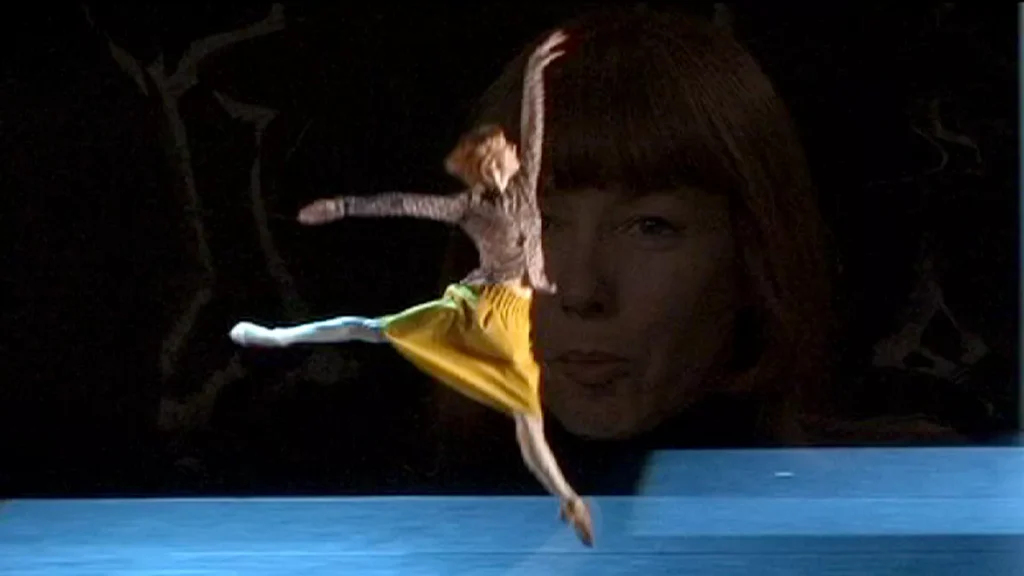
The world of ballet has witnessed the greatness of many dancers, but few have managed to revolutionize the art like Sylvie Guillem did. With impeccable technique, unique expressiveness, and a career that challenged the limits of classical ballet, Guillem is considered one of the best ballerinas in history.
From her beginnings at the Paris Opera to her transition into contemporary dance, Guillem left an indelible mark on the global dance scene. In this article, we explore her career, her unique style, and her impact on dance.
1. Sylvie Guillem’s Beginnings: A Talent Destined for Greatness
Sylvie Guillem was born on February 25, 1965, in Paris, France. From a young age, she showed great physical ability and exceptional discipline, which led her to practice artistic gymnastics before entering the world of ballet.
📍 Training and Rise at the Paris Opera
At 11 years old, she entered the Paris Opera Ballet School, one of the most prestigious institutions in the world. Her talent and dedication stood out from the start, and in 1981, at age 16, she was hired as part of the company’s corps de ballet.
But her true rise occurred in 1984 when, at just 19 years old, the legendary Rudolf Nureyev, who was the director of the Paris Opera at the time, named her Étoile (prima ballerina assoluta) after an impressive performance in Swan Lake.
✅ Sylvie Guillem became the youngest dancer to reach the rank of Étoile at the Paris Opera.

2. A Unique Style: Technique and Expression in Perfect Balance
🎭 Impeccable Technique
Sylvie Guillem was known for her extreme flexibility, precision, and strength, something uncommon even among the best ballerinas.
🔹 Perfect extensions: Her ability to lift her legs with absolute control made her stand out in every performance.
🔹 Powerful jumps: Her grands jetés were as spectacular as those of the best male dancers.
🔹 Impressive turns: She had unmatched stability and control in every pirouette.
💃 Unmatched Expressiveness
Beyond technique, Guillem had a powerful stage presence. Her ability to interpret roles with emotional intensity and authenticity made her a unique dancer. She didn’t just execute the steps; she told stories with her body and facial expression, captivating the audience in every performance.
🔹 Capacity for transformation: She could play the fragile Giselle, the imposing Kitri, or the ethereal Odette with the same mastery.
🔹 Strong and determined character: She didn’t follow established ballet norms but instead imposed her own style.
🔹 Versatility: She excelled in classical roles and contemporary pieces with the same excellence.

3. International Career and Transition to Contemporary Dance
In 1988, after a decade at the Paris Opera, Sylvie Guillem decided to leave the company and join the Royal Ballet in London as a guest artist. This decision surprised the ballet world but demonstrated her independence and desire to explore new horizons.
🔹 Collaborations with the Royal Ballet: She performed iconic roles in Romeo and Juliet, Manon, and La Bayadère.
🔹 Works with renowned choreographers: William Forsythe, Mats Ek, and Jiří Kylián created pieces specifically for her.
🔹 Exploration of contemporary dance: Her transition to the contemporary repertoire marked a turning point in her career.
Starting in the 2000s, Guillem decided to move away from classical ballet and dedicate herself entirely to contemporary dance, working with innovative choreographers and exploring new body languages.
4. Sylvie Guillem’s Impact and Legacy in Dance
Sylvie Guillem broke paradigms and redefined the role of a star ballerina. Her legacy lives on in classical and contemporary dance for several reasons:
🌟 1. She Raised Ballet’s Technical Standards
Her flexibility, precision, and strength established a new level of excellence in classical ballet. Dancers from all over the world continue to study her technique and strive to reach her level.
🎭 2. She Challenged Traditional Ballet Rules
She was one of the first ballerinas to take total control of her career, choosing which roles to perform and which companies to work with—something unusual in the ballet world, where dancers typically follow the decisions of artistic directors.
🎭 3. She Inspired New Generations of Dancers
Her decision to explore contemporary dance turned her into a bridge between two worlds, proving that a classical dancer can evolve without losing their essence.
🎭 4. She Created Her Own Shows
At the end of her career, Guillem created her own shows, such as Life in Progress (2015), featuring choreography by Akram Khan and Russell Maliphant.

5. Retirement and Final Performances
In 2015, Sylvie Guillem announced her retirement with the Life in Progress tour, a show that marked the end of an extraordinary career. Her final performance was in Japan in December of that year, concluding more than 35 years of excellence in dance.
🔹 “I dance to communicate. When the body can no longer speak as I want, I will know it’s time to stop.” – Sylvie Guillem.
Despite her retirement, her legacy lives on in dance, inspiring dancers worldwide.
Sylvie Guillem, a Ballerina for the Ages
Sylvie Guillem was not only an exceptional dancer but a visionary who transformed ballet. With perfect technique, an unmatched stage presence, and a revolutionary mindset, she left an indelible mark on both classical and contemporary dance.
If you are passionate about ballet and contemporary dance, at Así Se Baila we help you develop your technique and artistic expression with classes that combine the best of both worlds.